Sciatica pain: What to do if the pain extends into your leg
"Sciatica is the longest nerve in the human body - and one of the most sensitive." Suddenly it moves from the lower back over the buttocks to the thigh: sciatica pain is one of the most common complaints of the musculoskeletal system. They not only affect older people, but also younger people who sit a lot or move incorrectly in everyday life. The problem: The pain is not only unpleasant, but often long-lasting and persistent. In this article, we'll explain how sciatica pain occurs, how you can recognize it and what treatment options can really help you - especially if...

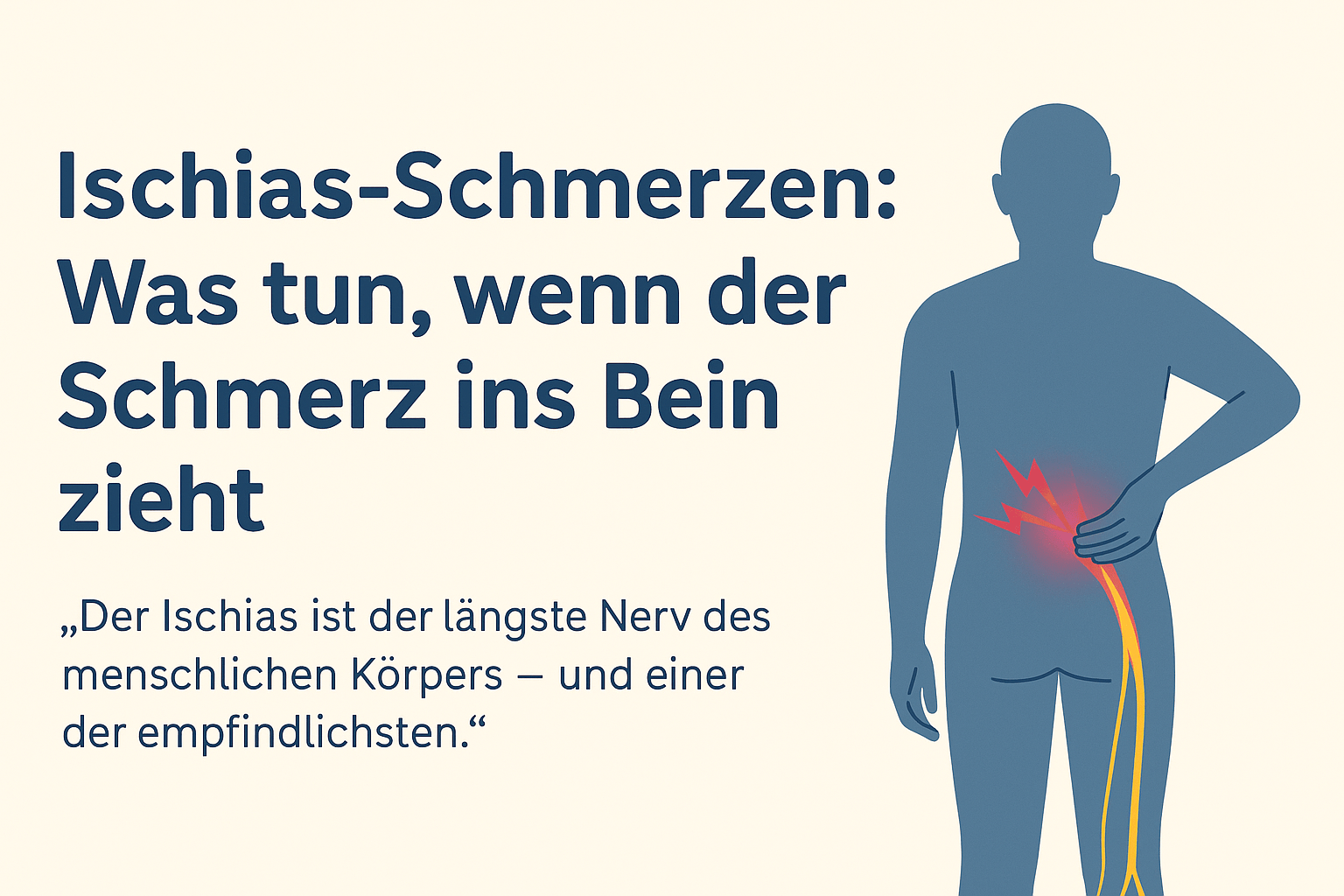
"Sciatica is the longest nerve in the human body - and one of the most sensitive."
Suddenly it moves from the lower back over the buttocks to the thigh: sciatica pain is one of the most common complaints of the musculoskeletal system. They not only affect older people, but also younger people who sit a lot or move incorrectly in everyday life.
The problem: The pain is not only unpleasant, but often long-lasting and persistent. In this article, we'll explain how sciatica pain occurs, how you can recognize it and what treatment options can really help you - especially if you're looking for gentle, everyday relief.
Reading tip: Would you like to know which complaints massages can specifically help with? Then take a look at our post: From head to toe – massages can help here.
Note: This blog post is for informational purposes only and does not replace medical diagnosis or treatment. If you have any health problems, please contact a medical professional.
What is sciatica pain and how does it occur?
The sciatic nerve, also known as the sciatic nerve, is the longest and thickest nerve in our body. It runs from the lower back through the buttocks over the back of the legs and into the feet. If this nerve is irritated, pinched or inflamed, so-called sciatic pain occurs.
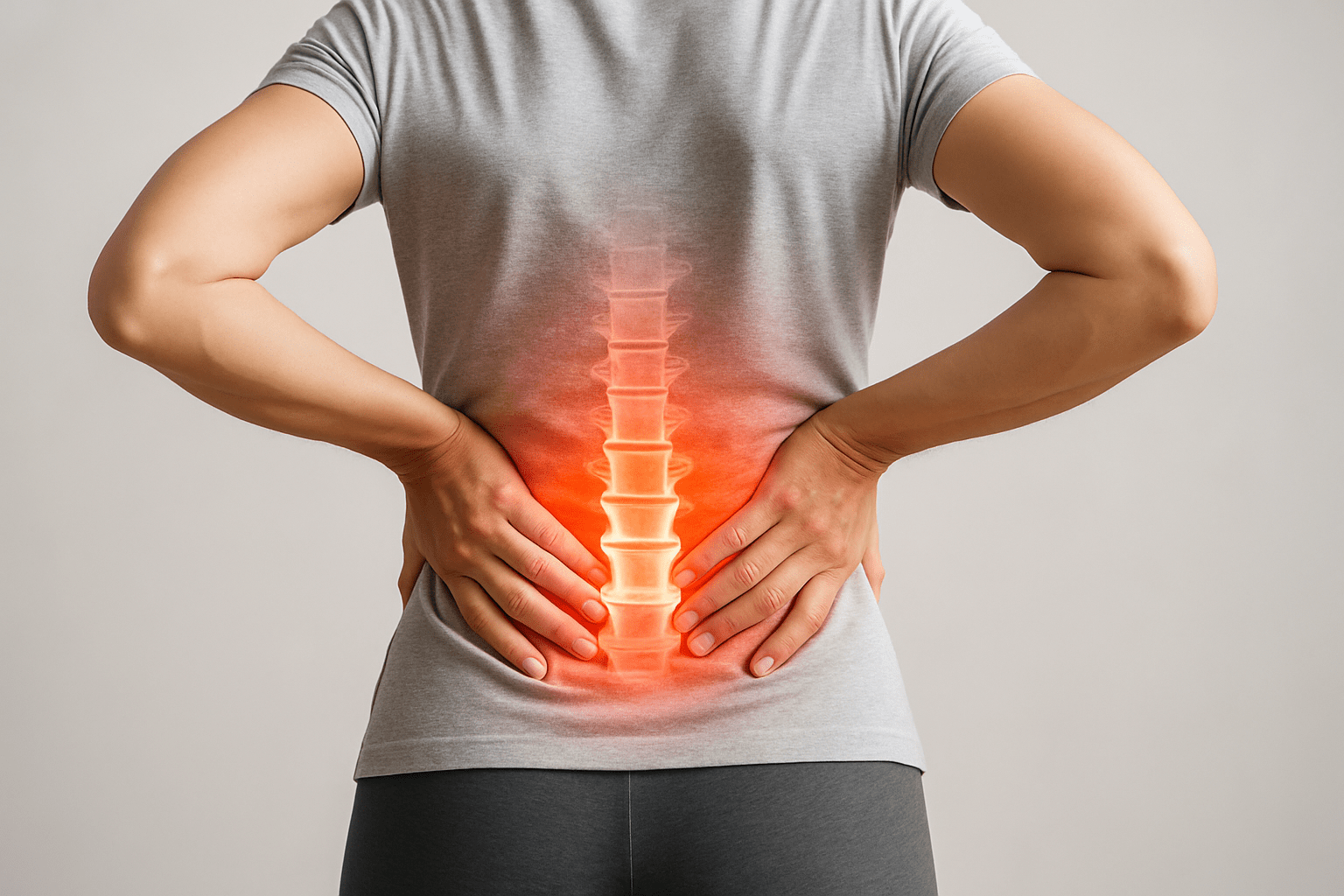
In contrast to “normal” back pain, the symptoms of sciatica typically radiate on one side from the lower back down to the leg. The cause is usually pressure on the nerve root in the lumbar spine area. This pressure can be caused by a herniated disc, muscular tension or incorrect loading.
Hormonal changes, for example during pregnancy, or poor posture when working from home can also cause the sciatic nerve to become irritated.
Symptoms: How sciatica pain manifests itself
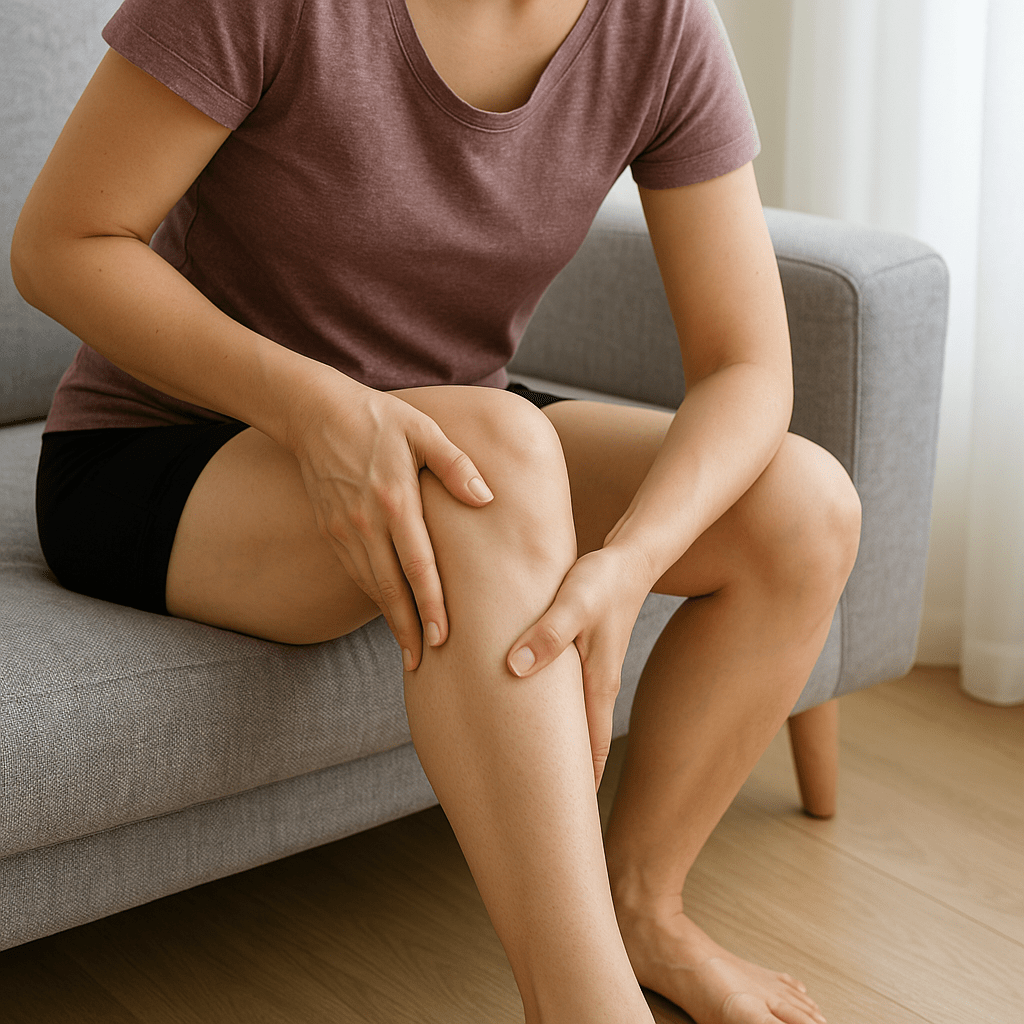
Sciatica pain is usually one-sided and affects the buttocks, thighs, calves and sometimes even the foot. The pain can be dull, stabbing, burning, or electrifying. Many sufferers report that even small movements such as bending or sitting become torture.
The course of the pain is particularly typical: it begins in the lower back and runs along the nerve into the leg. Coughing, sneezing or straining can worsen the symptoms. In some cases, there may be numbness, muscle twitching or tingling. Restricted mobility or lack of strength in the legs can also be signs of sciatica.
Causes: What causes the sciatic nerve to hurt?
The most common cause of sciatica pain is a herniated disc in the lumbar spine. The gelatinous material from the intervertebral disc comes out and presses on the surrounding nerve roots. This compression can irritate the sciatic nerve and cause severe pain that radiates down the leg. This occurs particularly often in people who do hard physical work or who have put one-sided strain on themselves for years.
-
Muscular tension in the buttocks area (e.g. piriformis syndrome): Even without a herniated disc, the sciatic nerve can come under pressure - for example from tense muscles. In the so-called piriformis syndrome, a small muscle in the buttocks, the piriformis, is shortened or tense and presses directly on the sciatic nerve. This cause is particularly treacherous because it is often overlooked. The symptoms are very similar to those of a herniated disc. Stretching exercises and targeted massages can often help here.
-
Poor posture caused by sitting for long periods of time or lifting incorrectly: Office life, lack of exercise or incorrect lifting of heavy loads can lead to poor posture and thus uneven strain on the spine. Over time, muscular imbalances arise that irritate the sciatic nerve due to muscle tension or vertebral displacements. An ergonomic sitting posture and regular exercise are therefore crucial to prevent this.
-
Pregnancy due to changed statics and tissue displacement: During pregnancy, posture changes due to the additional weight and the loosening of the connective tissue. The growing belly shifts the statics of the spine - often with consequences for the lower back and the sciatic nerve. Many pregnant women therefore suffer from pulling pain in their backs or legs. Even though many classic massage studios reject pregnant women due to uncertainty, targeted massages can be provided by specially trained physiotherapists:inside be very helpful.
→ Massage chairs with gentle programs offer an additional option. They can relieve tension without putting strain on the circulatory system and can be individually adapted to your physical condition.
-
Signs of wear and tear on the spine (e.g. spinal canal stenosis): As we age, the spine loses its elasticity. The intervertebral discs become thinner and the vertebral joints wear out. In spinal canal stenosis, the spinal canal narrows and puts pressure on the nerves that run through it, including the sciatic nerve.
The pain usually occurs when walking or standing and eases when sitting - a typical warning sign. Targeted exercise therapy, combined with relief through massages, can be helpful here.
-
Chronic poor posture, lack of exercise or one-sided strain: Many sciatica symptoms arise gradually, not from a single event, but from years of incorrect or overuse. If you don't move enough or always put the same strain on your body (e.g. carrying bags on one side), you risk developing muscular imbalances that permanently irritate the sciatic nerve.
Gentle, regular exercise impulses and preventive measures such as ergonomic furniture or regular stretching exercises help here. Regular massage sessions, e.g. B. with a suitable massage chair, can help to balance muscular tension and reduce the strain on the nervous system.
Treatment: What to do if you have sciatica pain?

The good news: Most sciatica symptoms can be treated well with conservative methods. It is important to become active as early as possible and not to fall into a long-term protective posture - as this often only exacerbates the symptoms.
Here you will find an overview of the most important treatment approaches - each with a background and recommended use:
Pain medication
In acute phases when the pain is severe and movements are hardly possible anti-inflammatory drugs such as ibuprofen or diclofenac help relieve irritation of the sciatic nerve.
Also Muscle relaxants are used when the muscles in the lower back are severely tense. However, medication should only be taken for a short time and is primarily intended to enable initial mobility.
Physiotherapy
In the long term, targeted exercise is crucial. The Physiotherapy helps strengthen the deep core musclesto correct poor posture and improve the interaction of the back, abdominal and buttocks muscles.
Depending on the cause, this can also be the case manual techniques Can be used to mobilize the lumbar spine or to relieve pressure on the nerves. It is particularly important to carry out the exercises regularly, even after the therapy sessions have ended.
Heat applications
Heat stimulates blood circulation and relaxes muscles. Heat patches, hot water bottles or cherry stone pillowsare particularly suitable for muscular tension in the lower back or buttocks area.
The heat helps to loosen tense muscles and calm the transmission of nerve impulses. In the case of acute inflammation, however, you should carefully check whether heat can be tolerated individually.
Exercise instead of protection
In the past, rest was considered the most important remedy for back pain - today we know: Exercise almost always helps. Gentle activity like Walking, swimming, cycling or gentle yoga can promote blood circulation, mobilize the joints and counteract tension.
If you barely move for days, you risk the pain becoming chronic or the muscles deteriorating further.
Massages
Targeted Massages in the lower back and buttocks area can help to relax tense muscle groups and thus reduce pressure on the sciatic nerve.
Special Trigger point massages or myofascial techniques work effectively here. The consistent stimulation promotes blood circulation, calms the autonomic nervous system and can positively influence the perception of pain. Massages are particularly suitable in subacute phases or for supporting relaxation in everyday life.
Reading tip: You can find out more about the connection between massage and the nervous system in our article: How massage affects the nervous system
Gentle help in everyday life: How massage chairs can help with sciatica symptoms
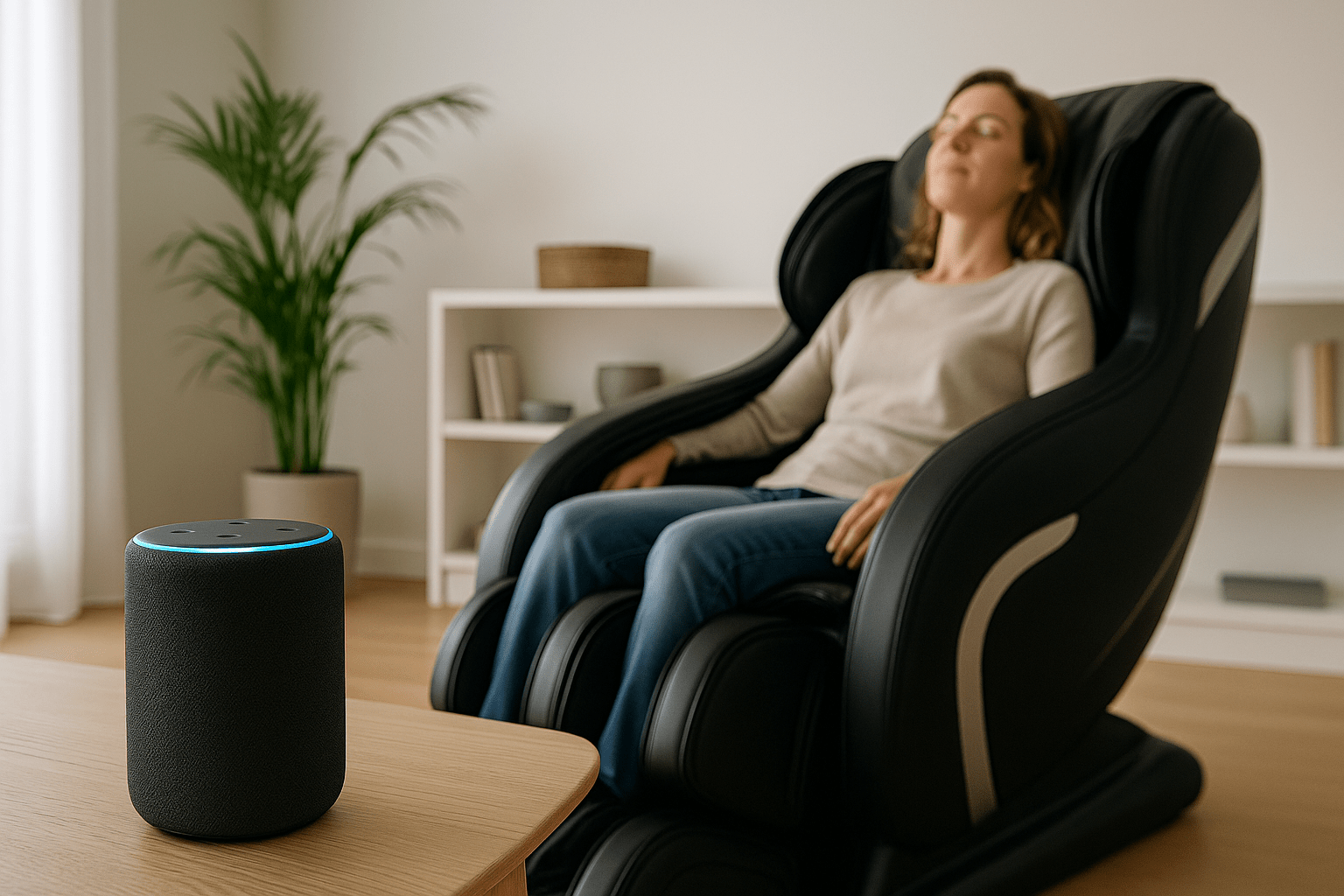
Massages don’t always have to come from a professional. Massage chairs are an effective way to regularly experience relief, especially for people with chronic complaints or limited mobility. The targeted massage programs release tense muscle groups in the lumbar and buttocks and improve blood circulation - both crucial factors in sciatic nerve irritation.
Airbag massage for the buttocks and leg muscles
Many sciatica complaints are caused by deeper, tense muscles - such as the piriformis or the hamstring muscles. The gentle compression provided by airbags specifically stimulates these muscle groups, promotes blood circulation and can thus reduce tension in the buttocks and thighs. At the same time, the nervous system is calmed by the consistent stimuli.
Heat treatment for deep relaxation
Heat is a proven means of muscle relaxation. Integrated heat functions in modern massage chairs stimulate blood circulation, promote oxygen supply to the muscles and help relieve cramps. Regular application of heat can provide significant relief, especially if there is chronic tension in the lower back.
Zero gravity position to relieve pressure on the spine
In the so-called zero gravity position, the body is positioned in such a way that the spine is maximally relieved - inspired by the position of an astronaut:inside take at start.
The body weight is distributed evenly and the pressure on the intervertebral discs and nerve structures is reduced. This position can provide relief, especially for acute sciatica symptoms, as the irritated nerve is relieved.
Individually adjustable intensity for sensitive days
Not all pain feels the same every day. Modern massage chairs offer individually adjustable intensity levels, so that you can have a gentle or more vigorous massage depending on your condition on the day. This is particularly important for sensitive areas or in phases in which the body reacts particularly sensitively.
Which armchair is suitable?
The MSW-300 is particularly suitable for sensitive people with back or sciatica problems. It offers a balanced combination of gentle pressure massage, individually adjustable intensity and heat therapy. In ours Health collection You will find other models with a focus on therapeutic use - especially for users:inside with sensitive needs and high demands on function and comfort.
When sciatica strikes, action is better than endurance
Sciatica pain is often severe, but rarely unfounded. If you understand where the complaints come from, you can take targeted countermeasures. Whether through targeted exercises, gentle movement, heat or massage – many ways lead to relief. Massage chairs in particular can be a valuable addition: They provide targeted relief, soothing stimuli and regular moments of relaxation.
And finally, back to the beginning: The sciatica may be the longest nerve in the body, but with the right knowledge it doesn't have to remain the most stubborn.
Other helpful articles:
Mitgründer und Geschäftsführer der Massagesessel Welt. Mit seinem Expertenwissen und seiner Branchenkenntnis hilft er, Privatpersonen und Unternehmen zu passenden Massagesessels für Entspannung, Gesundheit und Vitalität zu finden. Die individuelle Fachberatung erfolgt sowohl telefonisch oder per Videochat, als auch in der Ausstellung vor den Toren Stuttgarts.