Relieve osteoarthritis pain with massage
There are illnesses that are so common that we encounter those affected every day without noticing it. The Robert Koch Institute published one Statistics on the prevalence of osteoarthritis, which reveals that around 14 million people in Germany alone are affected by this wear-and-tear disease. This corresponds to an affected rate of almost 18 percent among adults, with women being affected more often as they get older. How can it be that something as natural and simple as a massage can be a real miracle weapon against osteoarthritis? Reading tip: Massages actually work in a variety of ways. In our...

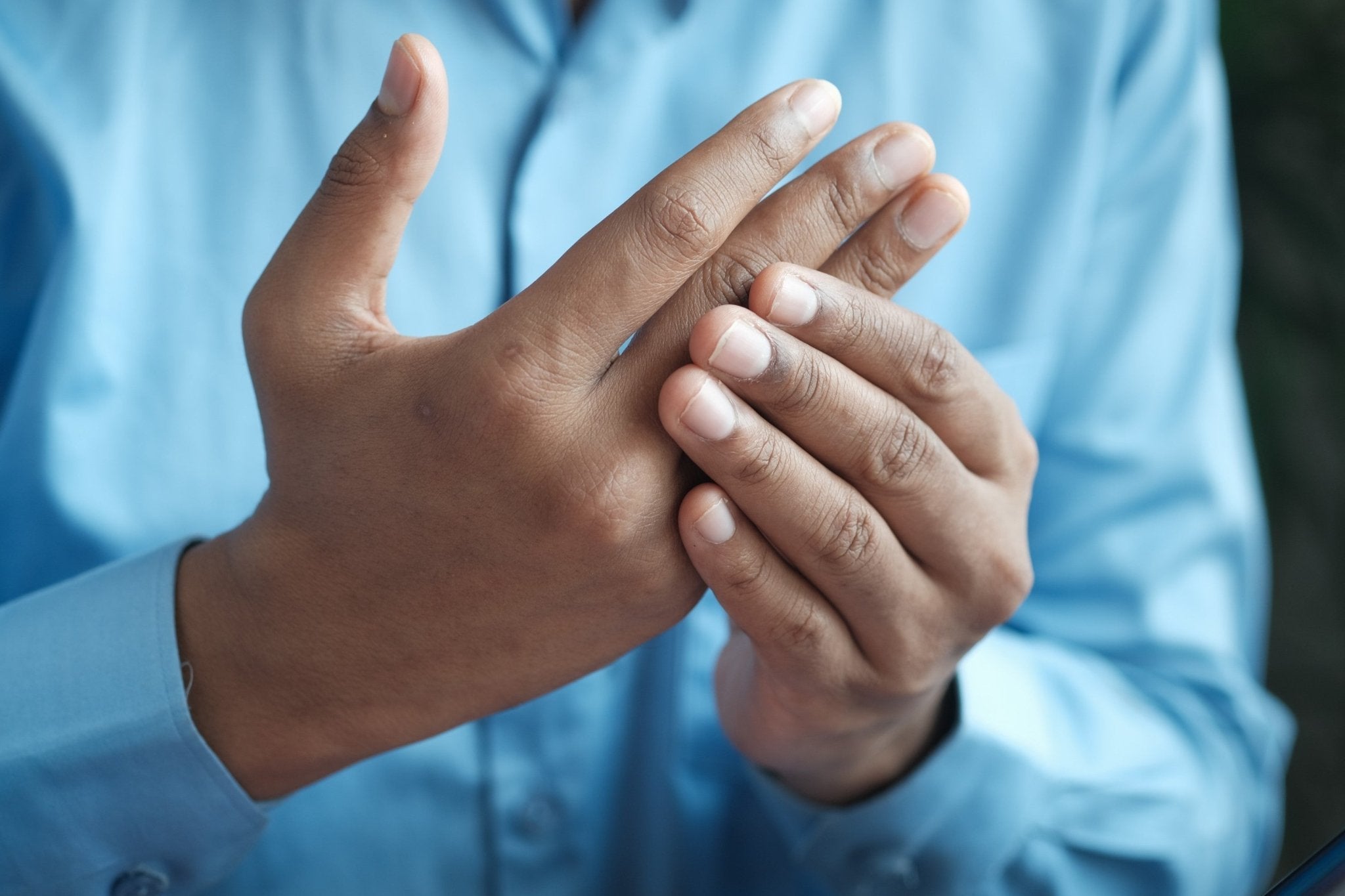
There are illnesses that are so common that we encounter those affected every day without noticing it. The Robert Koch Institute published one Statistics on the prevalence of osteoarthritis, which reveals that around 14 million people in Germany alone are affected by this wear-and-tear disease. This corresponds to an affected rate of almost 18 percent among adults, with women being affected more often as they get older. How can it be that something as natural and simple as a massage can be a real miracle weapon against osteoarthritis?
Reading tip: Massages actually work in a variety of ways. In our article „From head to toe - massages can help here” you get an overview of how multifaceted their healing effects can be.
In this article we take you on a journey into the world of massage therapy. Find out how you can not only relieve pain through targeted massages, but also improve your mobility, and discover which techniques are particularly effective for increasing your well-being despite osteoarthritis. But let’s first understand what exactly osteoarthritis is.
A closer look at osteoarthritis: What is this disease actually?
First of all, osteoarthritis is one of the most common joint diseases worldwide and is characterized by the wear and tear of joint cartilage. This cartilage normally acts as a connector and buffer for the joints. However, as the disease progresses, it becomes thinner and rougher, which can lead to direct contact between the bones, causing painful friction and inflammation.
Osteoarthritis can manifest itself in different stages, ranging from mild to severe symptoms. Mild symptoms may include occasional pain, stiffness after rest, or mild swelling in the affected joints. As the disease progresses, severe inflammation and increased and persistent pain may occur, especially when moving. In the most severe stage of osteoarthritis, joint deformities often occur.
These deformations arise from the progressive breakdown of the articular cartilage, which leads to a change in the joint structure and function. This can manifest itself in visible deformation of the joint, reduced mobility and, in some cases, visible curvature of the limbs.
While many people believe that osteoarthritis only affects older people, it actually affects a wide age group and sometimes even children. Possible causes range from genetic predisposition, previous injuries, to obesity and chronic overuse of the joints. Depending on the severity, the consequences can be painful.
Reading tip: In addition to osteoarthritis, joint pain can also be caused by arthritis. More on the topic You can find out about wandering joint pain all over the body in our article.
Osteoarthritis pain: From the first signs to chronic stress
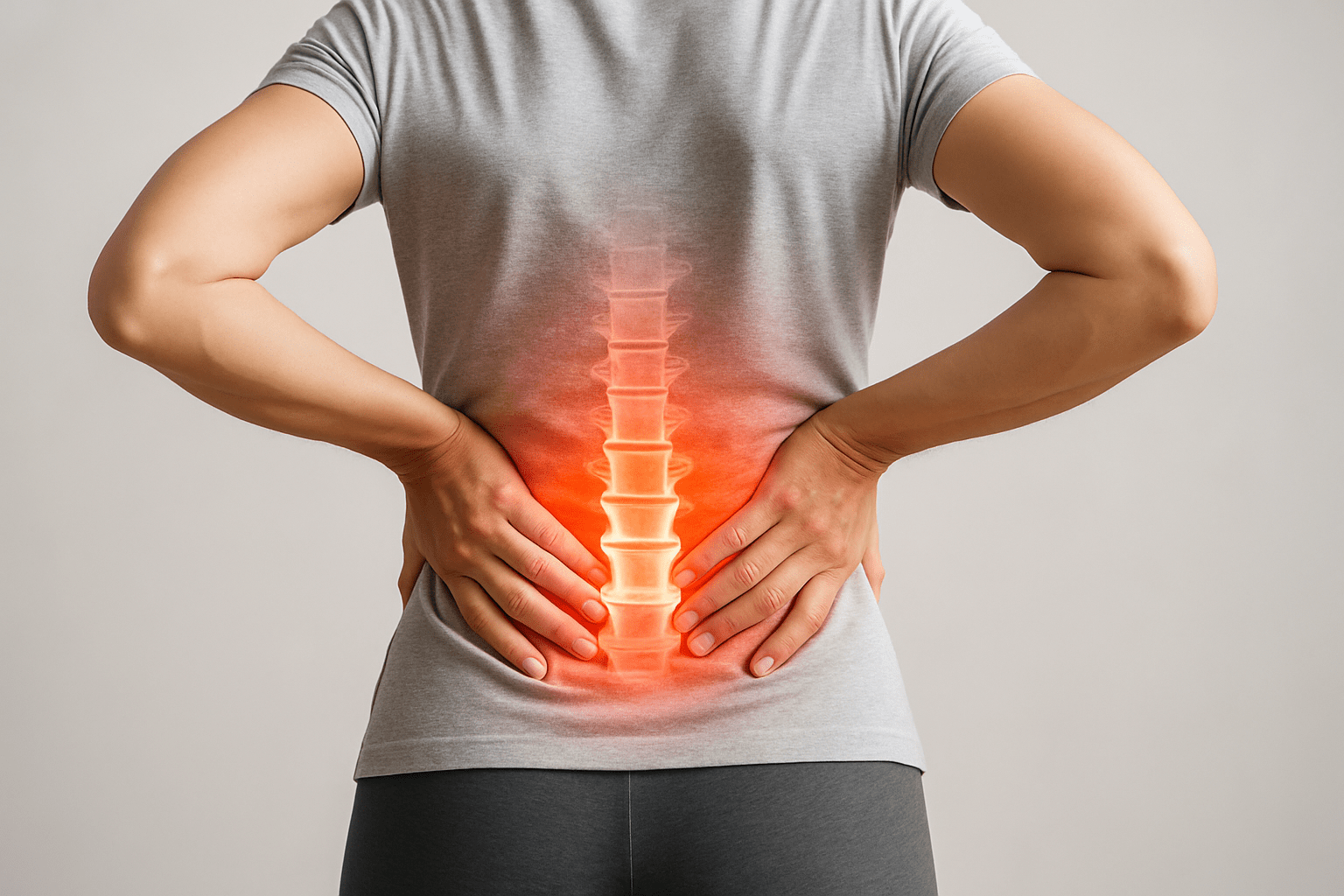
Your arthritis pain probably starts with a stabbing or burning sensation, which is particularly noticeable when you get up in the morning. This initial pain is typical of the beginning of osteoarthritis and may temporarily improve with continued movement. However, over time, the pain can become chronic and focus primarily on high-stress areas such as the knee joints, hips, hands and spine.
The pain can vary from mild discomfort to intense, movement-limiting sensations. In advanced stages of osteoarthritis, the joints can become significantly stiffer, further limiting your mobility and increasing pain. This significantly affects everyday activities such as walking, writing or sleeping and can severely reduce your quality of life. Of course, those affected look for solutions to regain their well-being. The good news: one of these approaches is extremely pleasant and relaxing.
Massage, the “miracle weapon” against osteoarthritis and its symptoms
As one of the oldest forms of body therapy, massages are among the most effective methods for relieving osteoarthritis pain. Through targeted techniques such as kneading, rubbing, and pressing, massage can increase blood flow to the affected area, which in turn helps reduce inflammation and relieve pain. Massages that are tailored to the individual needs and pain points of those affected are particularly effective.
Massages can also have a preventative effect by strengthening the muscles and keeping the joints supple. Regular use can help maintain your joint mobility and reduce the risk of osteoarthritis-related pain. In the case of chronic pain or specific osteoarthritis conditions, such as forms of the disease caused by autoimmune diseases, it is advisable to consult a specialist to discuss an individually tailored massage treatment. However, when symptoms arise acutely, those affected need quick solutions.
Acute pain relief: What to do if you suddenly experience osteoarthritis pain?
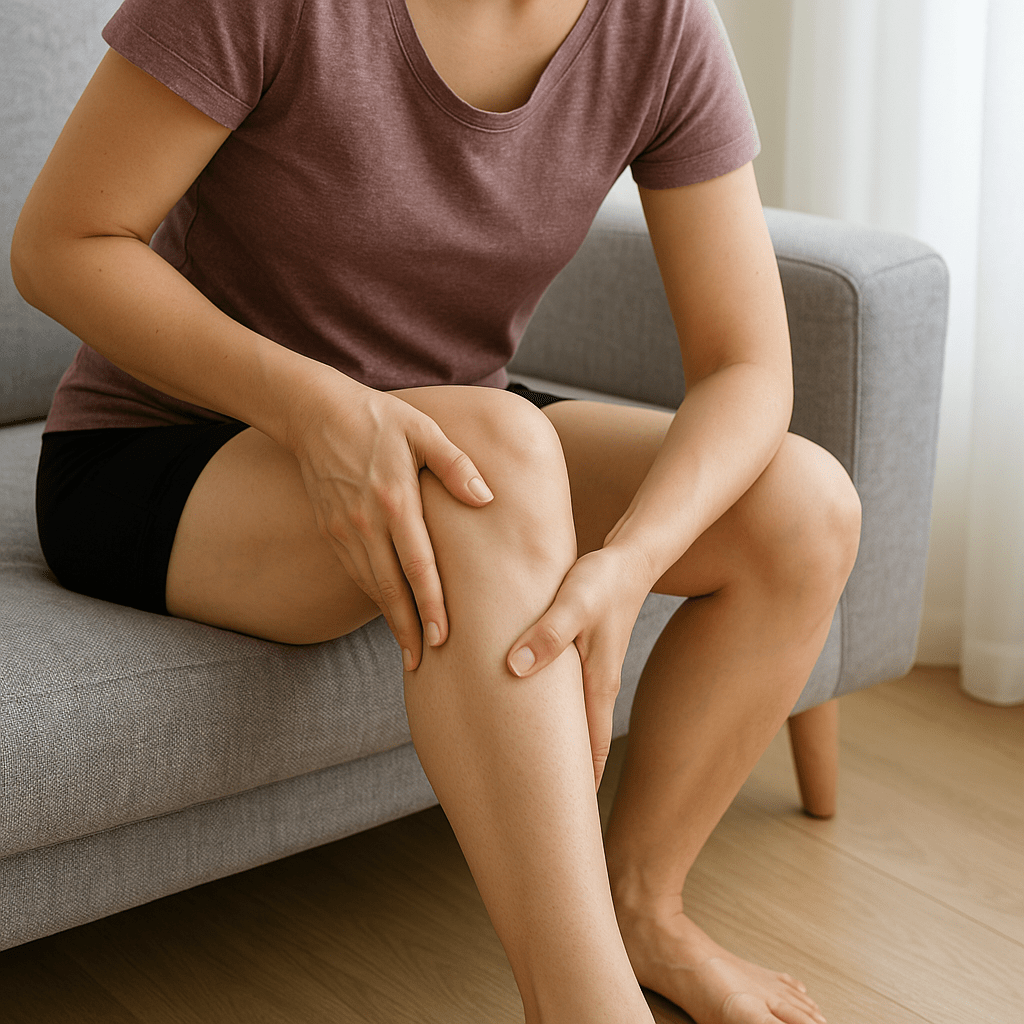
But even if osteoarthritis pain occurs suddenly and unexpectedly, there are several self-help measures that can provide short-term relief. Light, self-administered massages can help, especially if they are performed using gentle, circular movements around the painful joints. This technique helps relax muscles and promote blood circulation, which can provide short-term pain relief.
Furthermore, depending on individual tolerance and preference, cooling or heat applications can be useful to reduce inflammation and relax muscles. However, in the event of acute pain, always pay attention to the body's signals and seek medical advice if necessary. The top priority is always to ensure appropriate treatment for your needs.
But what can I do to avoid needing treatment in the first place? How do I prevent the development of osteoarthritis?
Preventing osteoarthritis: What measures can you take?
The frequency of the disease is already an indication that our living conditions are in many cases the trigger for arthrosis and it is often ironic and certainly no coincidence that diseases limit us in exactly those areas that would have originally protected us against them. In the case of osteoarthritis it is movement, but not exclusively. Preventing osteoarthritis requires a comprehensive approach that takes various areas of life into account. One plays here adapted diet, regular exercise and weight control a crucial role. Let's take a look at how you can integrate these aspects into your everyday life to support your body and prevent osteoarthritis symptoms.
Exercise to strengthen the muscles surrounding the joint

Regular exercise is simply an important prerequisite for healthy joints. Joint-friendly sports such as cycling, swimming, yoga or Pilates strengthen the muscles, promote flexibility and increase endurance without putting too much strain on the joints. Be sure to choose exercises that suit your individual needs. A useful addition could also be gymnastics groups or exercise therapies in coordination with a physiotherapist. Feel free to ask your doctor about such options; he or she usually knows what is available in the area and knows which exercise group is suitable for you. A moderate but regular exercise program helps maintain joint mobility and slow the progression of osteoarthritis.
Adapted diet to counteract inflammation
Also one anti-inflammatory diet can make a significant contribution to relieving osteoarthritis pain. It is advisable to include foods high in omega-3 such as fatty fish, flaxseeds and walnuts in your diet. Antioxidant-rich foods, including dark berries, green leafy vegetables and sweet potatoes, also help reduce inflammation. Spices such as ginger, turmeric and garlic also have an anti-inflammatory effect. Include these ingredients in your diet. It's often enough to spice up a few of your favorite recipes with them.
A low-calorie diet with few processed foods and a reduced amount of animal products also supports weight control, another factor in prevention.
Weight reduction to avoid overloading and incorrect loading
It is so obvious and yet, unfortunately, attention is often only paid to the aspect when the painful long-term consequences become noticeable. Excess weight increases the pressure on the joints and not only promotes the development of osteoarthritis, but also worsens the pain caused by an existing disease.
To counteract this, only a balanced, calorie-controlled diet paired with regular exercise can help to reduce body weight. Methods such as intermittent fasting and similar diets that aim to reduce calorie intake can support weight loss and thus lead to a long-term reduction in joint stress. In addition, professional nutritional advice can offer individually tailored recommendations and help make it easier to change your usual eating routine in order to ultimately achieve and maintain a healthy body weight.
In many cases, losing a few kilograms of body weight is of course not that easy. It requires a change or adjustment of habits that have usually been learned for a long time and are difficult to break. Ask your doctor here too. Doctors' practices often offer nutrition courses themselves or have recommendations for consultations and courses in your area that will help you permanently reduce your weight.
Osteoarthritis and its healing: A look into the future
To manage your osteoarthritis symptoms, you can rely on a combination of adjusted diet, regular exercise, weight management and massage therapy. These changes, which you should incorporate into your daily routine, offer a gentle alternative to invasive treatments.
Unfortunately, you will always find forums on the Internet that claim „Curing osteoarthritis is so easy.” Actually is Unfortunately, a cure is not possible, which is why the focus here should be very much on combating symptoms and eliminating the causes. Diet, exercise and muscle strengthening are supportive and natural measures to achieve a more active and less painful lifestyle.
Freedom from pain despite osteoarthritis: with your own initiative you can lead a fulfilling life
In Germany, where around 14 million people are affected by osteoarthritis, it is essential to explore effective ways to relieve pain and promote mobility. Our experience with massage therapy has shown that this technique is much more than just a means of relaxation. It can play an essential role in relieving osteoarthritis pain and should be part of it a holistic approach to treatment be.
This includes a healthy diet, regular exercise, medical care and regular massages. Even if a complete cure is not possible, symptoms can be alleviated and quality of life improved. Osteoarthritis may be an ongoing challenge, but with the right strategies and tools, it is entirely possible to reduce the symptoms and lead an active, fulfilling life.
Mitgründer und Geschäftsführer der Massagesessel Welt. Mit seinem Expertenwissen und seiner Branchenkenntnis hilft er, Privatpersonen und Unternehmen zu passenden Massagesessels für Entspannung, Gesundheit und Vitalität zu finden. Die individuelle Fachberatung erfolgt sowohl telefonisch oder per Videochat, als auch in der Ausstellung vor den Toren Stuttgarts.